Demolition and Hacking Services: Safe Preparation for Renovation Projects
Demolition and Hacking Services: Safe Preparation for Renovation Projects
Demolition and hacking are often the first major steps in a renovation project. Before a new layout, flooring, ceiling, partition, or interior design can be installed, existing structures and finishes may need to be removed.
Although demolition can appear straightforward, professional demolition and hacking require careful planning, appropriate tools, site protection, and attention to safety. Poorly managed demolition can damage surfaces that need to remain, create unnecessary delays, or increase disposal and repair costs.
Professional demolition services provide a controlled approach to removing unwanted structures and preparing the property for the next stage of renovation.
What Is Demolition and Hacking?
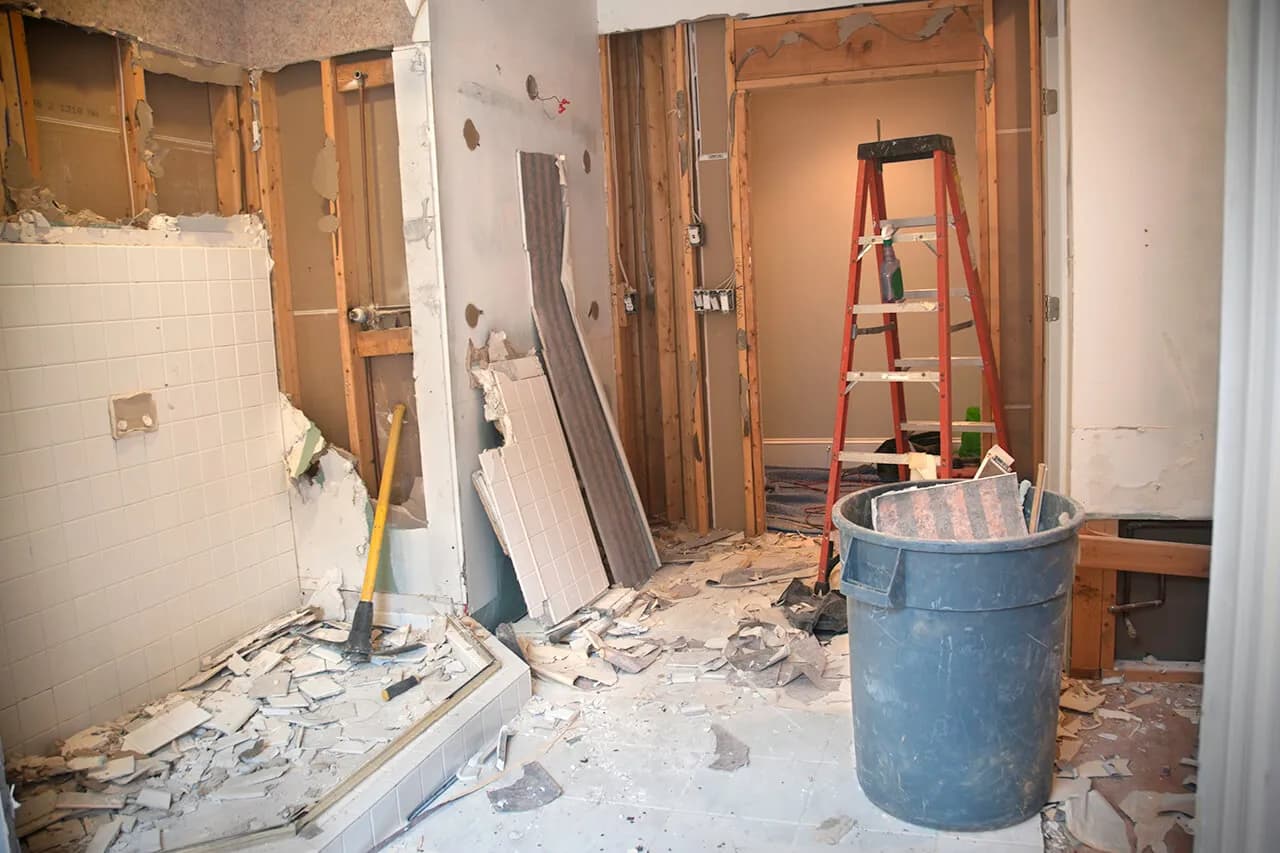
Demolition generally refers to the removal of existing structures, fixtures, fittings, or built elements. Hacking commonly involves breaking and removing materials such as tiles, concrete finishes, walls, flooring, or other existing surfaces during renovation.
The exact scope depends on the property and renovation plan. A project may require the removal of old partitions, floor finishes, wall tiles, bathroom fittings, built-in structures, ceilings, or other unwanted components.
Before work begins, the site should be assessed to determine what needs to be removed and what must remain protected.
Why Proper Planning Is Important
Demolition is not simply about breaking and removing materials. The sequence of work matters. Contractors need to understand the existing environment and identify areas that could be affected by demolition activities.
A planned approach helps reduce accidental damage to surrounding surfaces and allows waste to be managed efficiently. It also makes it easier for other trades to begin their work after demolition is completed.
For renovation projects, coordination is particularly important. Plumbing, electrical, ceiling, partition, and finishing works may all depend on the successful completion of demolition activities.
Protecting Existing Areas
Not every part of a property is necessarily being renovated. Some surfaces, fixtures, or structures may need to remain in place.
Professional demolition work should therefore include suitable protection for areas outside the demolition zone. This can help reduce dust, debris, scratches, and accidental damage.
Careful separation of work areas can also improve site organisation and make the renovation environment safer for workers and other people who may need access to the property.
Demolition for Residential Renovation
Home renovation projects frequently involve the removal of outdated materials and fixtures. Kitchens and bathrooms may require old tiles, cabinets, fittings, or finishes to be removed before new installations can begin.
Other projects may involve removing old partitions, floor finishes, ceilings, or built-in structures to create a new layout.
Professional demolition can make this process more efficient by using appropriate tools and techniques for the material being removed.
Commercial Demolition and Hacking
Commercial renovation projects often have strict timelines. Retail shops, offices, restaurants, and other business premises may need to be cleared and prepared before new interiors can be installed.
Efficient demolition and hacking can help businesses move through the renovation process more quickly. However, speed should not come at the expense of safety or proper site management.
A structured work plan can help coordinate demolition with waste removal, material disposal, and subsequent renovation activities.
Managing Dust and Debris
Demolition naturally produces dust and construction debris. Effective site management is therefore an important part of the process.
Work areas should be organised so that debris can be collected and removed efficiently. Where appropriate, protective measures can be used to reduce the spread of dust into areas that are not being renovated.
Good housekeeping throughout the project can also make the site safer and easier for other contractors to access.
Disposal After Demolition
Removing materials from a property is only part of the job. Demolition generates waste that needs to be collected, transported, and disposed of appropriately.
Coordinating demolition with disposal services can help prevent debris from accumulating on site. It also creates a cleaner working environment for the next stage of renovation.
Different materials may require different handling procedures, so proper planning is important when dealing with large quantities of renovation waste.
Professional Demolition Provides Better Control
Hiring experienced professionals can help property owners avoid many common demolition problems. Professionals can assess the scope, plan the sequence of work, use appropriate equipment, protect surrounding areas, and coordinate debris removal.
This controlled approach can reduce unnecessary damage and make the transition from demolition to renovation smoother.
Final Thoughts
Demolition and hacking are fundamental parts of many renovation projects. Removing outdated structures and finishes creates the foundation for new designs, layouts, and installations.
Professional demolition services provide a safer and more organised way to prepare a property for renovation. From residential upgrades to commercial projects, careful planning, controlled removal, site protection, and proper disposal can make a significant difference to the overall project.
If your renovation requires walls, flooring, tiles, ceilings, partitions, fixtures, or other existing elements to be removed, professional demolition and hacking services can help prepare the site efficiently for the next stage of construction.